|
by Alan M. Dershowitz • April 11,
2018 at 5:00 am
- The Fourth and Sixth
Amendments prohibit government officials from in any way
intruding on the privacy of lawyer/client confidential rights
of citizens.
- The very fact that
this material is seen or read by a government official
constitutes a core violation. It would be the same if the
government surreptitiously recorded a confession of a penitent
to a priest, or a description of symptoms by a patient to a doctor,
or a discussion of their sex life between a husband and wife.
- The recourses for
intrusions on the Fourth and Sixth Amendments are multifold:
the victim of the intrusion can sue for damages; he or she can
exclude it from use by the government in criminal or civil
cases; or the victim can demand the material back. But none of
these remedies undo the harm to privacy and confidentiality
done to the citizen by the government's intrusion into his
private and confidential affairs.
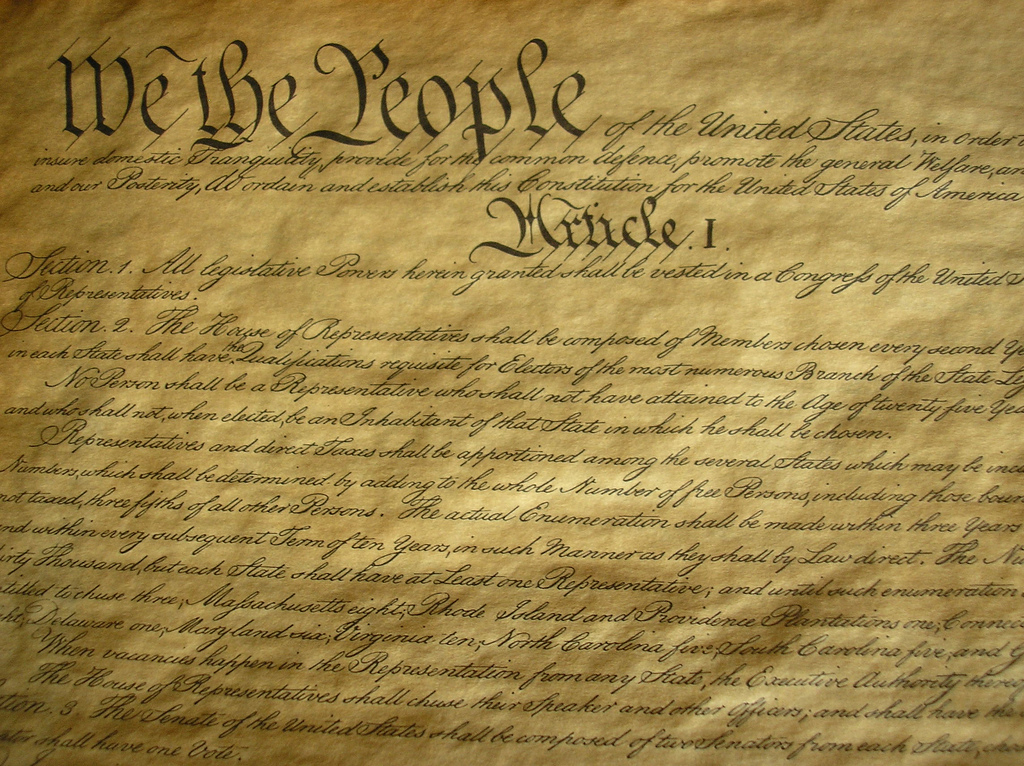
(Image
source: Jonathan Thorne/Flickr)
Many TV pundits are telling viewers not to worry
about the government's intrusion into possible lawyer/client
privileged communications between President Trump and his lawyer,
since prosecutors will not get to see or use any privileged
material. This is because prosecutors and FBI agents create
firewalls and taint teams to preclude privileged information from
being used against the client in a criminal case. But that analysis
completely misses the point and ignores the distinction between the
Fifth Amendment on the one hand, and the Fourth and Sixth
Amendments on the other.
|






No comments:
Post a Comment