|
by Alan M. Dershowitz • June 29,
2018 at 1:43 am
- They [potential
nominees to the Supreme Court] should be asked about the
criteria they apply in determining whether to be bound by past
decisions.
- As the late Justice
Antonin Scalia frequently pointed out, his oath of office
required him to apply the Constitution, not the decisions of
his predecessors on the bench, if those past decisions were
wrong.
- The second position
is that Roe v. Wade was wrong when decided but it has been the
law for 45 years, and the nation has come to rely on it as
governing law. Accordingly, it should not be overruled, but
nor should it be expanded. This is the most likely position
that a successful nominee might take.
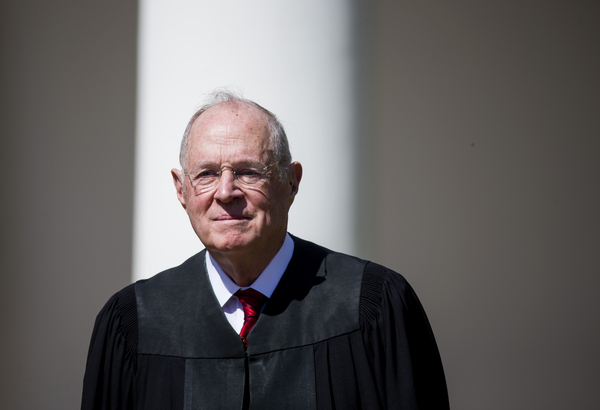
Justice
Anthony Kennedy. Among the key issues that may influence President
Trump's decision on whom to nominate to replace the retired judge
will be the candidate's view on Roe v. Wade. (Photo: Eric
Thayer/Getty Images)
The two key words in assessing the President's
nominee to replace Justice Anthony Kennedy are stare decisis.
This ancient Latin phrase, which means let the decision stand,
represents a conservative approach to judging: that precedent
imposes constraints on judicial innovation. Put another way, that
judicial innovation should be balanced against the need to maintain
stability in our legal system. But like most legal terms, stare
decisis can easily be manipulated to benefit both conservatives
and liberals. Traditionally it has been conservatives who have
embraced stare decisis, allowing the dead hand of the law to
constrain the living constitution. But liberals, too, embrace the
concept when they seek to preserve old precedents that are
important to them.
|





No comments:
Post a Comment