|
by Uzay Bulut • October 27, 2018
at 5:00 am
- After the minimum
age for Quran studies in Turkey was abolished in 2011, a
project named "Pre-school religious education through
Koran classes" was piloted in ten cities across the
country in 2013. The project teaches "basic Islamic
information" to children between the ages of four and
six. Since then, the number of "pre-school Koran
classes" has continued to rise.
- The number of
religious "imam hatip schools" has climbed from 450
in 2002 to 4,112 in 2017. Meanwhile, there are only 302
specialized science high schools in the country.
- "There are
religious organizations... [that] pump their own ideologies on
children through classes in 'values education' ... We know
that they use one-sided language that demonizes those who are
different. We observe that the students who are exposed to
such curricula consider those who think differently to be
their 'enemies.'... When one looks at countries such as
Afghanistan, where similar steps were taken, one can see where
this process leads to." — İlknur Bahadır Kaya, chairman
of the Parents' Association.
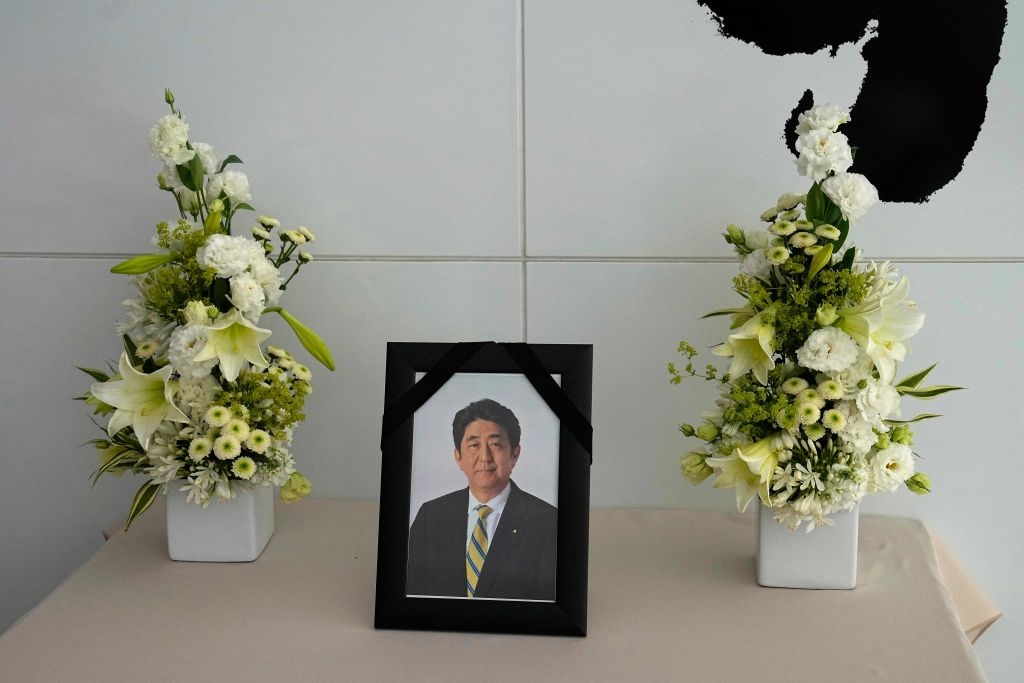
Pictured:
Turkish President Recep Tayyip Erdoğan visits a religious
"imam hatip" high school, on April 2, 2018. (Image
source: aHBR video screenshot)
Turkey's Directorate of Religious Affairs (Diyanet)
is set to receive an additional two billion liras (around $350
million), boosting its budget from last year's 8.3 billion liras
($1.5 billion) to 10.4 billion ($1.8 billion) liras for 2019,
according to the newspaper Cumhuriyet. This increase in
budget surpasses that of 29 other major state institutions,
including the ministries of the interior and foreign affairs.
The Diyanet, the state body regulating the role of
Islam in Turkey, apparently has, as one of its main missions,
transforming the country's education system. It is now fully
engaged in shaping school curricula.
|




No comments:
Post a Comment