|
by Burak Bekdil • February 22, 2019
at 5:00 am
- One of Erdoğan's
regional policy priorities, as U.S. troops in neighboring
northern Syria prepare to leave, is to prevent Turkey's south
from witnessing the emergence of "a Kurdish belt".
- While the U.S.
supports the idea of a buffer zone in northern Syria to keep
Kurdish militants and Turkish troops at a safe distance from
each other, Erdoğan insists on sole Turkish control over the
planned 20-mile-deep strip.
- If Turkey, a NATO
member, goes ahead with purchasing Russia's S-400 air and
anti-missile defense system, the U.S. Congressional bill
requires the departments to include a detailed description of
plans for the imposition of sanctions, pursuant to section 231
of the Countering Russian Influence in Europe and Eurasia Act of
2017 (Public Law 115-44).
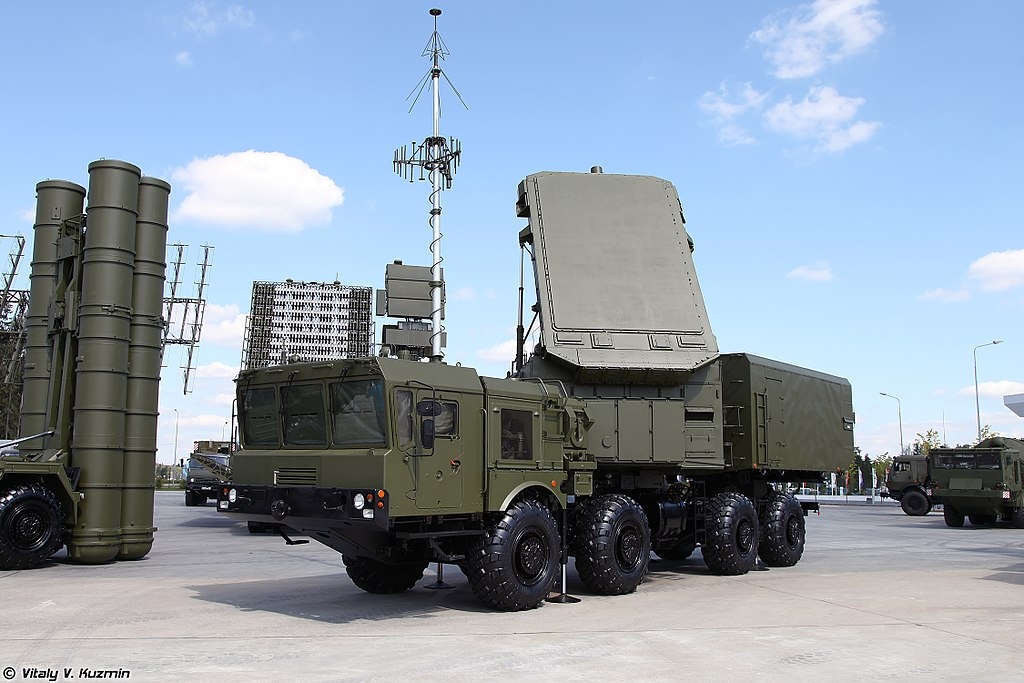
If Turkey, a
NATO member, goes ahead with purchasing Russia's S-400 air and
anti-missile defense system, it risks the imposition of sanctions
under United States law, pursuant to section 231 of the Countering
Russian Influence in Europe and Eurasia Act of 2017. Pictured: A
Russian S-400 missile battery. (Image source: Vitaly Kuzmin/Wikimedia
Commons)
The summer peak of the crisis between Turkey and the
United States, two NATO allies in theory, has been replaced by
cautious pessimism. Few Turks today remember the days of massive
Turkish protests against President Donald Trump and his
administration, often exhibited in childish ways such as groups
gathering to burn fake U.S. dollars or smashing iPhones in front of
cameras. This is, however, an extremely fragile tranquility.
On February 25, after keeping the position vacant
since October 2017, Washington nominated David Satterfield, a career
diplomat, as new ambassador to Ankara, an appointment that still
needs to be confirmed by the Senate. In Ankara, a complex puzzle
awaits Ambassador Satterfield.
|



No comments:
Post a Comment